The short answer:YWA means you're welcome anyway. It is texting slang people fire back when they helped someone out and either got a late thanks, a half-hearted thanks, or no thanks at all. The tone is usually playful, a soft nudge that closes the favor loop with a wink instead of a lecture.
What does YWA mean?
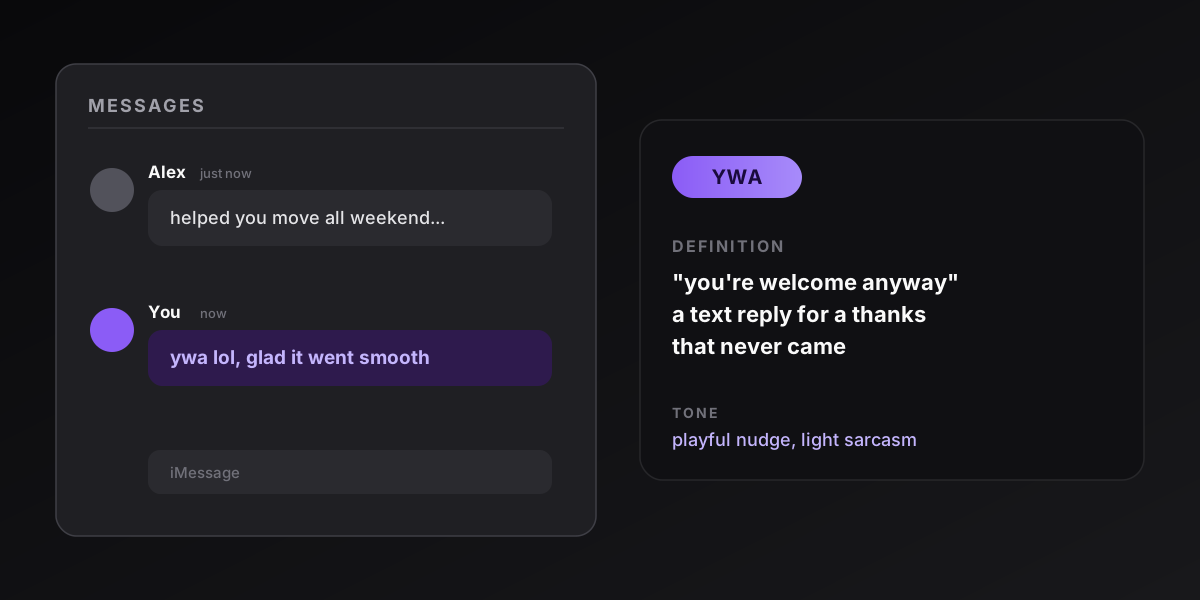
YWA means you're welcome anyway. It is a short reply people type after they did something helpful and the thank you either never came, arrived late, or landed a little flat. Adding the word anyway is the whole point. It signals that the writer noticed the missing thanks and decided to answer as if it had shown up.
The reply is usually friendly. Most people send it to a close friend or a sibling as a soft nudge, not a real complaint. Written out, the YWA meaning is basically: I helped, you forgot to say thanks, and I am pretending you did. That mild sarcasm is why the slang exists at all. A plain you're welcome would sound weird after silence, and a full call-out would feel too much. YWA is the middle ground.
Where does YWA come from?
The initialism grew out of the same texting shorthand family as YW, NP, TY, and TYSM. Phones with tiny keyboards in the early 2000s pushed people to shorten every routine phrase, and you're welcome was one of the most common. Once YW was settled, adding a single letter for a common variant was easy. YWA showed up on forums and Yahoo Messenger threads by the late 2000s, then moved with the crowd to SMS and iMessage.
Snapchat and Instagram DMs sped up the spread in the 2010s. Both apps reward short, fast replies, and both hide messages after they are read, so a quick ywa costs nothing to send. By 2020, the slang was common in Gen Z texting circles, and by 2026 most people who send frequent DMs recognise it on sight. Sites that log new internet slang, like the Dictionary.com slang hub, track the same pattern: shorten the common phrase, then adapt it as social norms shift.
Why anyway is the important word
The whole reason YWA exists rather than a plain YW is the second piece. Anyway does the same job in a text that a raised eyebrow does in person. It says the writer clocked the missing thanks and decided to move past it. That single word is what separates this slang from a straight courtesy reply and gives it the playful edge that friends recognise.
Because so much rides on that one word, YWA rarely works with people who do not know the sender well. Without shared context, anyway can read as a jab rather than a joke. That is why the term stays in close DM circles and does not travel into work chats or public replies.
YWA versus YW, NP, and NW
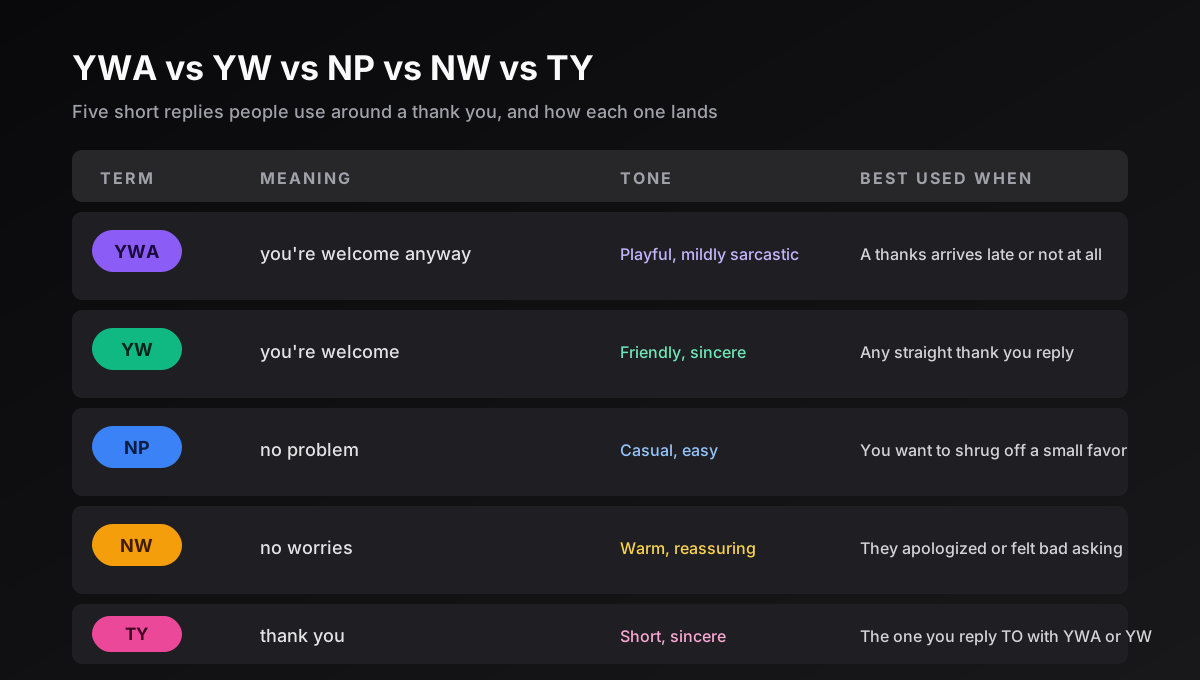
YWA sits inside a small family of thank you replies. Each one does a slightly different job. Picking the wrong one changes how the message lands, so it helps to line them up side by side. The comparison table below covers the five short forms you will see most often in the same threads.
| Term | Full phrase | Tone | Best used when |
|---|---|---|---|
| YWA | you're welcome anyway | Playful, mildly sarcastic | The thanks was late, half-hearted, or missing |
| YW | you're welcome | Friendly, sincere | Any straight thank you reply |
| NP | no problem | Casual, easy | Shrug off a small favor without ceremony |
| NW | no worries | Warm, reassuring | They apologised or felt bad about asking |
| TY | thank you | Short, sincere | The message YWA usually answers |
The split is really about tone rather than meaning. YW, NP, and NW are all safe defaults. They land the same way with a close friend, a coworker, or a stranger. YWA is the one that carries extra information about how the exchange went. It is the only reply in the group that changes the emotional record of the conversation.
That is why YWA is the one to hold back until the fit is right. On a group project chat where names matter, a plain YW keeps things clean. In a friend chat where the joke will land, YWA adds a small human moment that a robot reply would miss.
When to use YWA (and when to skip it)
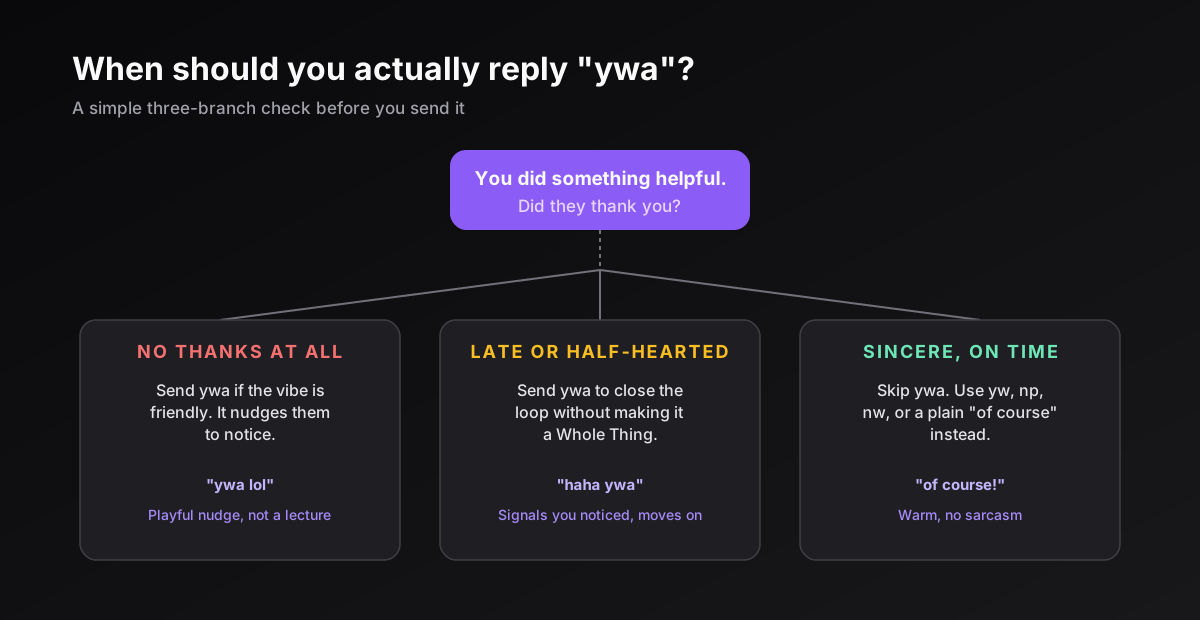
Because YWA is tone-heavy, a quick check before you send it saves a lot of tiny miscommunications. Three signals matter: how well you know the person, whether a real thanks showed up, and where the chat is happening. When all three line up, YWA reads as warm. When one is off, it reads as a jab.
- Send it in a close chat. YWA is friend shorthand. If you use it with someone you barely know, they will hear the sarcasm and miss the wink.
- Send it when the thanks was missing or late. The word anyway earns its place only if there is something to reply anyway to.
- Add a soft cue. A lol, a haha, or a small emoji at the end signals you are not upset, just teasing. Bare ywa reads colder than ywa lol.
- Skip it in work threads. Even a close coworker will read YWA as passive-aggressive when there is no clear shared tone. Use YW or a plain of course instead.
- Skip it under a public post. Strangers cannot tell you are joking. Under a comment, YW or NP is safer.
Platform by platform, the shape stays the same. On iMessage and Android Messages, YWA works in one-to-one threads with friends or siblings. On Snapchat and Instagram DMs, it fits the same pattern, and the disappearing chat design of Snapchat actually helps because the joke does not sit around forever. On Discord, YWA lands in small friend rooms and misses in public servers. Creators who want to sound natural across all of those places can lean on the SocialCRM composer to keep tone consistent without letting the wrong shorthand slip into the wrong chat.
Is YWA rude or is it just teasing?
YWA is teasing by default. It only turns rude when the reader does not share the tone. Close friends read the wink; a coworker or a stranger hears the jab. Because texting strips out voice and face, the writer has to add tone with words. A softening lol, a haha, or an emoji is enough to keep the reply on the friendly side of the line.
Etiquette writers agree that short digital replies drift toward cold without a cue. Guides like the Emily Post Institute's social media etiquette notes make the same point about abbreviations in general: leave a small human signal, or expect the reader to fill in the gap with the worst interpretation. YWA is the same idea in miniature. Two extra characters of warmth save the send.
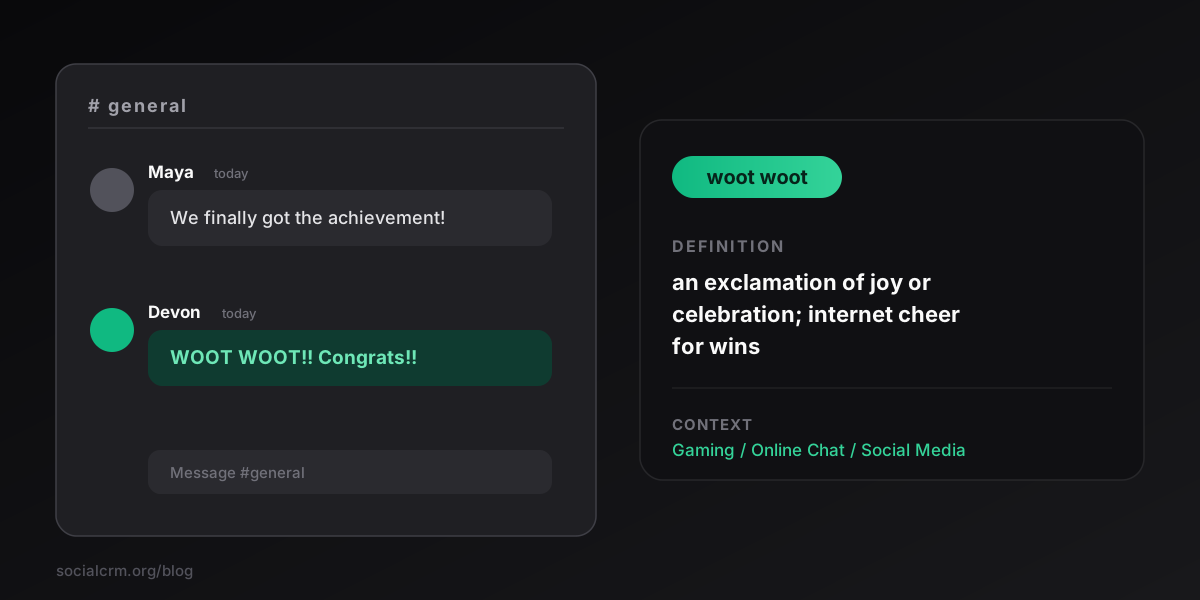
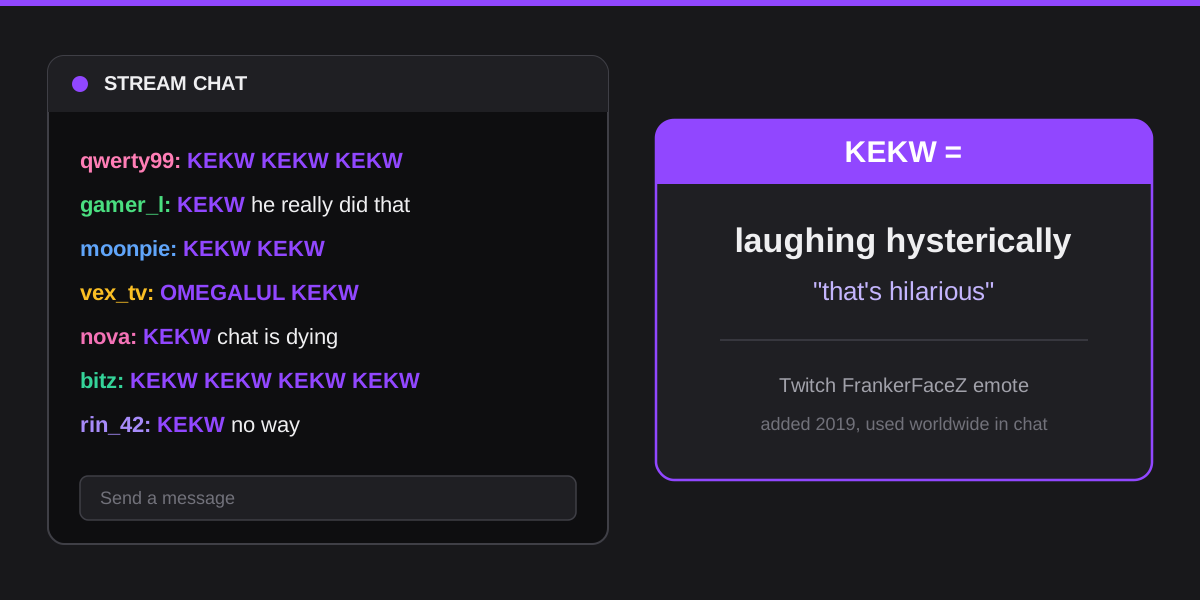
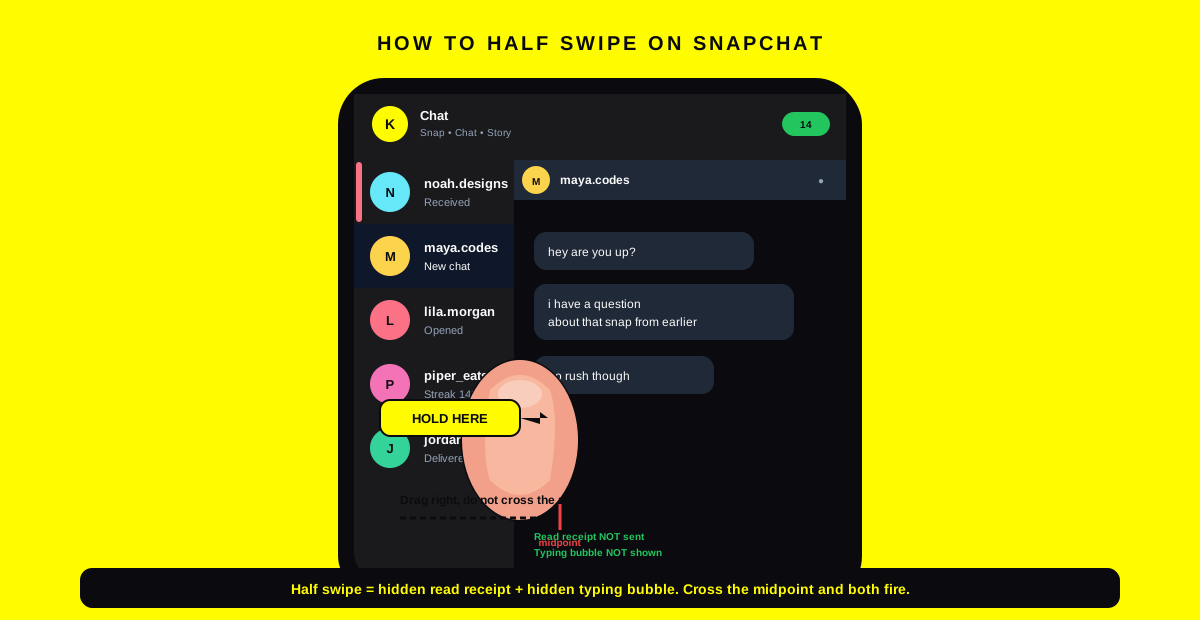
If you like reading the small choices behind slang like this, our explainer on what KEKW means on Twitch covers a shorthand with a similar tone problem. For a warmer cousin of YWA, our post on what woot woot means walks through a pure celebration cheer with none of the edge. And if you split hype across apps, our breakdown of Snapchat activity signals explains why the same chat feels different when someone is clearly online.
FAQ
What does YWA mean in text?
YWA means you're welcome anyway. People type it as a short reply when they do a favor and either get thanked late, get a half-hearted thanks, or get no thanks at all. The tone is usually playful, a light nudge to close the loop without starting an argument.
Is YWA rude or passive-aggressive?
YWA is not rude by default, but it carries an edge. It works when the reader is a close friend who will hear it as teasing. It reads as passive-aggressive with anyone who does not know your tone, and it never fits a work chat. Guides such as Merriam-Webster on passive-aggressive language line up with that read.
How is YWA different from YW?
YW is a plain you're welcome, warm and sincere. YWA adds the word anyway, which flags that the thanks felt missing, late, or grudging. Both close a favor loop, but YW does it neutrally and YWA does it with a wink or a mild jab.
Where do people use YWA the most?
YWA shows up most in one-to-one text threads on iMessage and Android Messages, in Snapchat and Instagram DMs, and in casual Discord chats between close friends. It stays rare on public feeds and does not fit LinkedIn or work Slack.
Can YWA mean anything other than you're welcome anyway?
In everyday texting slang, YWA almost always means you're welcome anyway. YWA is also an initialism for the Youth With A Mission organisation and the Yoga With Adriene YouTube channel, but those are branded uses. Context makes the reading obvious. For a wider look at how texting abbreviations move through age groups, the Pew Research Internet and Technology hub tracks the pattern across surveys.
TL;DR
- YWA meaning: you're welcome anyway, the short reply for a thank you that never fully arrived.
- Tone is playful teasing, not real anger, and the word anyway does all the heavy lifting.
- Send it in close DMs on iMessage, Snapchat, Instagram, and small Discord rooms; skip it at work or under public posts.
- Add a soft cue like lol or haha so the reader hears the wink instead of the jab.
- When the thanks was sincere and on time, use YW, NP, NW, or a plain of course instead of YWA.